


 русский
What Exactly Are Forged Valve Parts and How Are They Made?
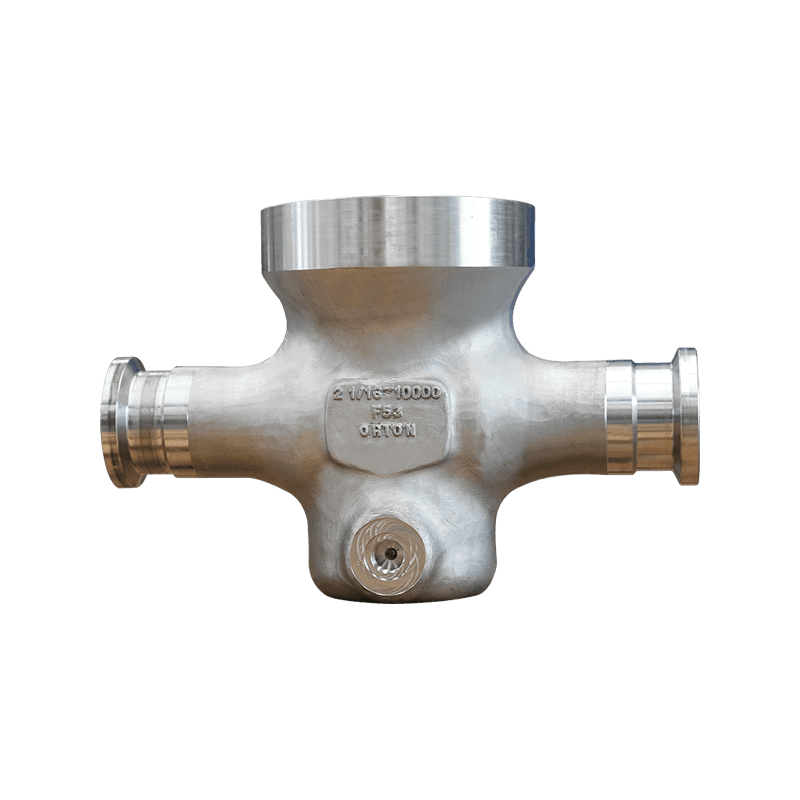
Forged valve parts are components like valve bodies, stems, bonnets, and discs that are shaped using high-pressure forging—hammering or pressing heated metal into a die—rather than casting or machining from bar stock. This process aligns the metal's grain structure, removes internal voids, and creates a denser, stronger part. When you choose forged steel valve components, you're getting a part that's been work-hardened for superior toughness. That's why engineers specify forged valve parts for critical applications where failure isn't an option, like oil refineries, power plants, or chemical processing lines.
Why Forged Valve Parts Beat Cast or Machined Alternatives
The real advantage of forged valve parts comes down to metallurgy. Forging refines the grain flow of the metal to follow the shape of the part, which dramatically improves impact resistance and fatigue strength. Cast valve components, while cheaper, can have hidden porosity or inconsistent grain structure that leads to cracks under stress. Machined parts from bar stock waste material and may not have optimal grain orientation. If your system handles high pressure, temperature swings, or corrosive media, forged valve fittings provide the reliability that keeps operations running safely and efficiently.
Stronger Grain Structure Means Fewer Failures
During forging, the metal is compressed while hot, which closes up tiny gaps and aligns the crystalline structure. This creates a continuous grain flow that follows the contours of the valve part—like a stem or body—making it much harder for cracks to start or spread. In practical terms, this means forged valve parts can handle sudden pressure spikes, water hammer, or thermal cycling better than cast equivalents. For maintenance teams, that translates to fewer emergency shutdowns and lower lifetime replacement costs.
Better Performance Under Extreme Pressure and Heat
Forged valve components excel in demanding environments. A forged steel valve body can typically withstand higher pressure ratings (like Class 600, 900, or even 2500) compared to cast versions of the same size. They also maintain strength at elevated temperatures, making them ideal for steam lines, reactor feed systems, or offshore platforms. When you need a valve that won't deform or leak under stress, choosing forged valve parts over cheaper alternatives is a smart, risk-reducing decision.
Common Forged Valve Components and Where They're Used
Not every part of a valve needs to be forged, but critical load-bearing or sealing components often are. Understanding which forged valve parts matter most helps you specify the right quality for your application. Below is a quick reference for common forged components and their typical uses.
| Forged Part | Typical Valve Type | Key Application |
| Valve Body | Gate, Globe, Check | High-pressure steam or oil lines |
| Valve Stem | All rising-stem valves | Precise control under cyclic loading |
| Bonnet | Gate, Globe | Sealing integrity in corrosive service |
| Ball or Disc | Ball, Check valves | Wear resistance in abrasive media |
Industries That Depend on Forged Valve Parts
Forged valve parts aren't just for heavy industry—they're essential wherever safety, pressure, or reliability matter. Oil and gas pipelines use forged bodies to handle sour gas and high pressures. Power plants rely on forged stems and discs in boiler feed valves that face extreme heat. Even pharmaceutical and food processing facilities choose forged stainless valve components for cleanability and leak-free performance. If your system can't afford downtime or leaks, forged valve fittings are worth the investment.
- Oil & gas: Wellheads, refineries, offshore platforms
- Power generation: Steam lines, turbine bypass, nuclear auxiliary systems
- Chemical processing: Corrosive acid or solvent handling
- Marine and shipbuilding: Seawater cooling, ballast systems
- Pharmaceutical/food: Hygienic stainless forged valves for clean processes
How to Pick Quality Forged Valve Parts for Your Project
Not all forged valve parts are equal. Start by confirming the material grade—common choices include carbon steel (A105), stainless (F316), or alloy steel (F11/F22) depending on your service conditions. Check that the forging meets recognized standards like ASTM A105, ASME B16.34, or API 602. Ask for certification: a reputable supplier should provide material test reports (MTRs) and, for critical apps, third-party inspection records. Also consider the forging method—closed-die forging offers better dimensional accuracy than open-die for complex shapes. When in doubt, work with a valve specialist who can match forged components to your pressure, temperature, and media requirements.
Simple Maintenance Tips to Keep Forged Valve Parts Working Longer
Even the toughest forged valve parts need care. Regularly inspect stems and sealing surfaces for wear or corrosion, especially in cyclic service. Lubricate moving parts with compatible grease to prevent galling—critical for stainless steel forged components. If your system handles abrasive slurries, consider adding strainers upstream to protect forged discs or balls. And always follow proper torque procedures when assembling forged bonnets; over-tightening can distort seating surfaces. With basic preventive maintenance, your forged steel valve components can deliver decades of reliable service, making them one of the smartest choices for demanding industrial applications.
