


 русский
Understanding the Core Ball Valve Parts
A ball valve is one of the most reliable components in any piping system, largely due to its simple yet effective design. The primary ball valve parts work in harmony to start, stop, or throttle the flow of liquids and gases. At the center of the mechanism is the ball itself—a spherical component with a hole (bore) through the middle. When the bore aligns with the pipe, the valve is open; when rotated 90 degrees, the solid side of the ball blocks the flow. Understanding these individual components is essential for anyone involved in plumbing, industrial maintenance, or fluid control.
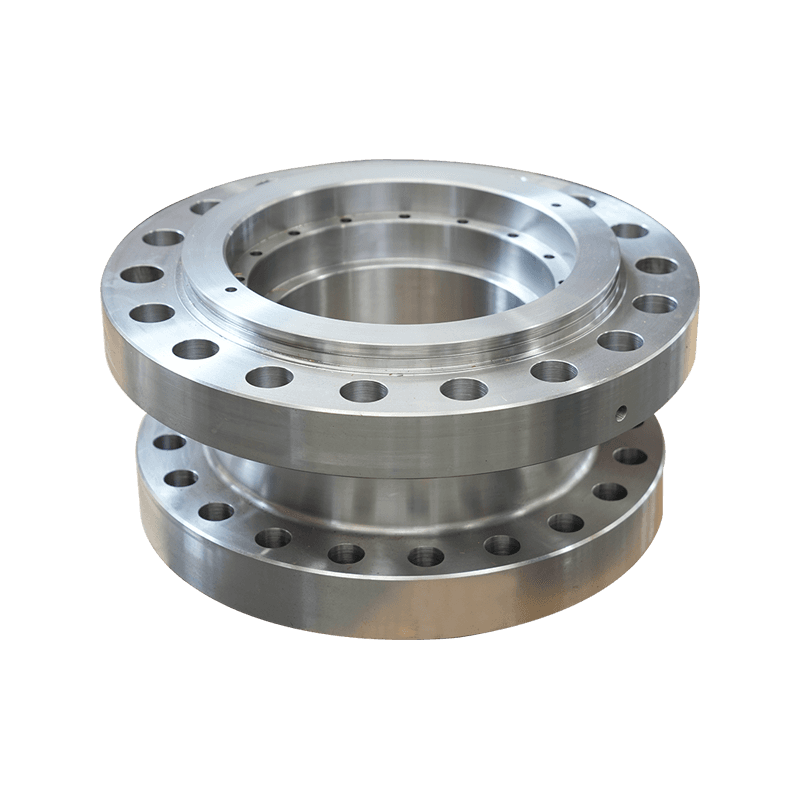
Beyond the ball, the valve body acts as the pressure vessel that holds all the internal components together. Bodies can be made from various materials like brass, stainless steel, or PVC, depending on the chemical compatibility and pressure requirements of the application. High-quality ball valve components are engineered to withstand extreme temperatures and corrosive environments, ensuring a long service life with minimal leak potential.
Critical Internal Components for Sealing
The ability of a valve to maintain a bubble-tight seal depends on the seats and seals. These ball valve parts are usually made from soft materials like PTFE (Teflon) or reinforced synthetic rubbers. The seats provide a cushioned surface for the ball to press against, ensuring that no fluid escapes when the valve is in the closed position. Over time, these are the parts most likely to wear down, especially in systems with high debris or abrasive fluids.
Primary Sealing Elements
- Valve Seats: Circular rings that cradle the ball and prevent leakage around the sphere.
- Stem Packing: Seals the area where the stem exits the body to prevent external leaks.
- Body Seals: Gaskets found in two-piece or three-piece valve designs that seal the body segments together.
- O-rings: Often used as secondary seals to provide extra protection against high-pressure bypass.
The Stem and Actuation Mechanism
The stem is the ball valve part that connects the internal ball to the external handle or actuator. It transmits the rotational force required to open or close the valve. Modern stems often feature an "anti-blowout" design, which means they are installed from the inside of the valve body so that internal pressure cannot force the stem out of the assembly. This is a crucial safety feature in high-pressure industrial environments.
| Component | Function | Common Material |
| Stem | Transfers torque to the ball | Stainless Steel / Brass |
| Lever Handle | Manual operation tool | Carbon Steel / Plastic |
| Packing Nut | Tightens the stem seals | Metal Alloys |
| Travel Stop | Prevents over-rotation | Cast Iron / Steel |
Maintenance and Replacement of Ball Valve Components
Regular inspection of ball valve parts can prevent catastrophic failures and expensive downtime. The most common point of failure is the stem packing, which may leak slightly as the material compresses over years of use. In many cases, simply tightening the packing nut can resolve the issue. However, if the ball or seats are scratched by particulates in the fluid, the valve may no longer shut off completely, necessitating a full internal rebuild or a complete valve replacement.
Signs You Need New Parts
- Difficulty turning the handle (indicates internal friction or debris).
- Fluid seeping from the stem area.
- Downstream leakage when the valve is fully closed.
- Visible corrosion on the exterior body or lever.
Choosing the Right Materials for Your Application
When sourcing ball valve parts, material selection is the most critical decision. For example, a valve used in a saltwater environment requires 316 stainless steel or specialized plastics to prevent pitting and corrosion. Conversely, for high-temperature steam applications, metal-seated ball valves are preferred over PTFE because they can withstand thermal expansion without melting or deforming. Always consult a chemical compatibility chart to ensure that your ball, seats, and body seals are rated for the specific media being transported through your pipes.
