


 русский
What Are Valve Components and Why They Matter
Valve components are the individual mechanical parts that work together to control the flow of liquids, gases, or steam in a piping system. Every valve, whether it is used in water treatment, oil pipelines, chemical plants, or industrial processing systems, relies on a precise set of internal and external components to regulate pressure, direction, and flow rate.
Understanding the structure of valve components helps engineers, maintenance technicians, and buyers choose the right valve assembly for specific applications. Each component performs a unique function, such as sealing, controlling movement, supporting pressure resistance, or enabling operation through manual or automated control. When these valve parts are properly designed and manufactured, the entire valve system can operate safely and efficiently for long periods of time.
Main Valve Components and Their Functions
Although different valve types such as gate valves, globe valves, and ball valves have slightly different structures, most industrial valves share several common components. These parts form the basic framework of the valve and allow it to regulate fluid flow effectively.
| Component | Function | Typical Materials |
| Valve Body | Main structure that holds all internal parts and connects to the pipeline | Cast iron, stainless steel, brass |
| Bonnet | Covers the valve body and supports the stem assembly | Steel or stainless steel |
| Stem | Transfers motion from the actuator or handle to the valve closure element | Stainless steel or alloy steel |
| Seat | Provides a sealing surface to prevent leakage | PTFE, metal alloys |
| Disc or Ball | Controls flow by opening, closing, or partially blocking the passage | Stainless steel or hardened metal |
These valve internal parts must be manufactured with precise tolerances to ensure reliable sealing and smooth operation in demanding industrial environments.
Key Internal Valve Components Explained
Valve Body
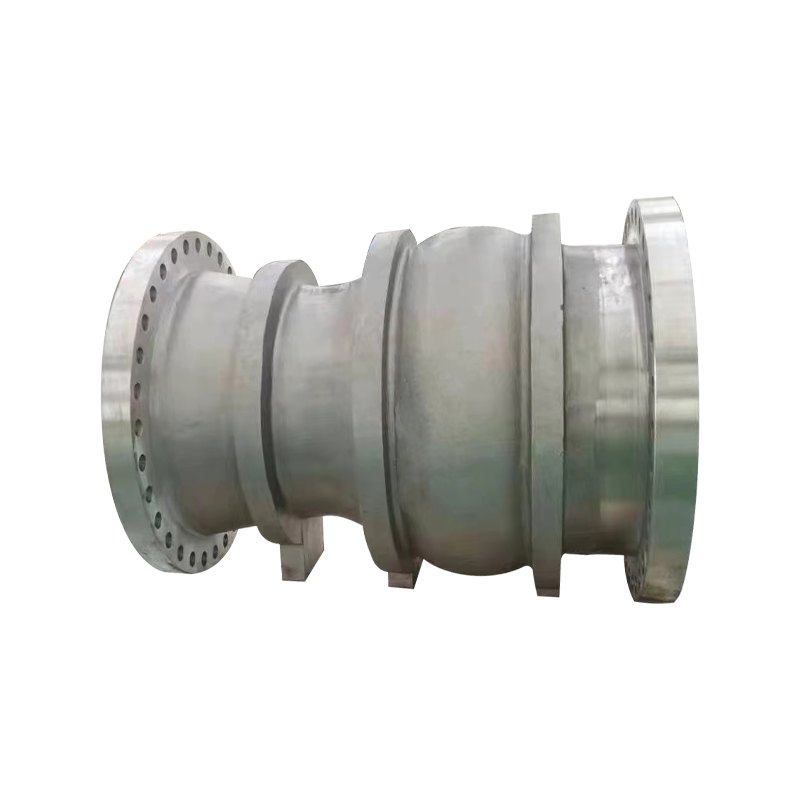
The valve body is the primary structural component of the valve assembly. It contains the flow passage and supports all other valve components. The body must be strong enough to withstand internal pressure, temperature fluctuations, and mechanical stress. For industrial applications, the body is often made from materials such as stainless steel, ductile iron, or forged steel.
Valve Stem
The valve stem connects the actuator or manual handle to the internal closure mechanism. When the stem moves, it raises, lowers, or rotates the disc or ball inside the valve. High-quality valve stems require corrosion resistance and mechanical strength to maintain reliable movement under repeated operation.
Valve Seat
The valve seat forms the sealing surface that prevents fluid from leaking when the valve is closed. Depending on the valve design, the seat may be soft-seated using materials like PTFE or metal-seated for high-temperature and high-pressure applications. A well-designed seat ensures tight shutoff and long service life.
Closure Element
The closure element refers to the part that directly controls the flow of fluid. In different valve types this component may be a disc, ball, gate, or plug. Its movement determines whether the valve is fully open, fully closed, or partially regulating flow.
Additional Valve Assembly Components
In addition to the main internal parts, valves also include several supporting components that help maintain sealing integrity and operational stability.
- Packing materials that prevent leakage around the valve stem.
- Gaskets that seal the connection between the valve body and bonnet.
- Actuators or handwheels that provide mechanical control for opening and closing the valve.
- Fasteners such as bolts and nuts that secure the valve structure.
- Bushings and guides that maintain proper alignment of moving parts.
These auxiliary valve parts are often overlooked, but they play a crucial role in preventing leakage and maintaining stable operation under pressure.
Common Materials Used in Valve Components
The materials used for valve components determine how well the valve performs under specific operating conditions. Engineers typically select materials based on temperature resistance, corrosion resistance, and mechanical strength.
- Stainless steel for corrosion resistance in chemical and food processing industries.
- Carbon steel for high-strength applications in pipelines and power plants.
- Brass and bronze for water systems and moderate pressure environments.
- PTFE and elastomers for sealing components that require flexibility and chemical resistance.
Selecting the correct material ensures that valve internal parts can operate reliably even when exposed to harsh chemicals, high temperatures, or continuous mechanical stress.
How to Choose High-Quality Valve Components
When sourcing valve components for industrial equipment or pipeline systems, it is important to evaluate several technical factors. High-quality valve parts contribute to longer equipment life and reduce maintenance costs.
- Precision machining to ensure tight tolerances and proper sealing surfaces.
- Material certification to guarantee resistance to corrosion and pressure.
- Compatibility with existing valve designs and pipeline standards.
- Quality testing such as pressure testing and leak detection.
- Reliable supplier support for customization and technical specifications.
By carefully evaluating these factors, manufacturers and engineers can ensure that the selected valve assembly components provide stable performance in demanding industrial environments.
Why Understanding Valve Components Improves System Reliability
A well-designed valve system depends on the precise interaction of many individual valve components. When each part is engineered with the correct material, manufacturing precision, and structural design, the valve can provide accurate flow control and long-term durability. Understanding the structure and function of valve parts allows engineers to select appropriate components, perform effective maintenance, and prevent unexpected system failures.
For industries that rely heavily on fluid control systems, such as oil and gas, water treatment, power generation, and chemical processing, investing in high-quality valve components is essential for maintaining safe and efficient operations.
