


 русский
Core Structure of Ball Valve Components
Ball valves rely on a compact yet highly engineered internal structure to achieve reliable shut-off and flow control. Each component is designed to withstand pressure, temperature, and chemical exposure while maintaining smooth operation. Understanding how these components work together helps engineers and buyers select the right valve for specific industrial conditions.
Ball: The Primary Flow Control Element
The ball is the central component that controls fluid flow. It is typically drilled with a through-hole (port) that aligns with the pipeline when open and blocks flow when rotated 90 degrees. Ball precision directly affects sealing performance and operating torque.
Ball Materials and Surface Treatment
- Stainless steel balls offer high corrosion resistance and are widely used in chemical and food-grade applications.
- Carbon steel balls are suitable for high-pressure systems where corrosion risk is controlled.
- Chrome-plated or hard-coated surfaces reduce friction and extend service life in abrasive media.
Valve Seat: Sealing and Leakage Prevention
The valve seat forms a tight seal around the ball, preventing leakage under both low and high pressure. Seat design and material selection determine whether a ball valve is suitable for soft-sealing or metal-sealing applications.
Common Seat Materials and Applications
| Seat Material | Key Characteristics | Typical Use |
| PTFE | Low friction, chemical resistance | Chemical, water, food systems |
| RPTFE | Improved strength and wear resistance | Higher pressure pipelines |
| Metal | High temperature and abrasion resistance | Steam and slurry services |
Stem: Transmitting Torque to the Ball
The stem connects the actuator or handle to the ball, transferring rotational force. Stem integrity is critical for operational safety, especially in high-pressure systems where blowout prevention is required.
Design Features That Improve Stem Reliability
- Anti-blowout stem design prevents ejection under internal pressure.
- Precision-machined stem shoulders ensure accurate torque transmission.
- Corrosion-resistant alloys extend stem lifespan in aggressive environments.
Body and End Connections
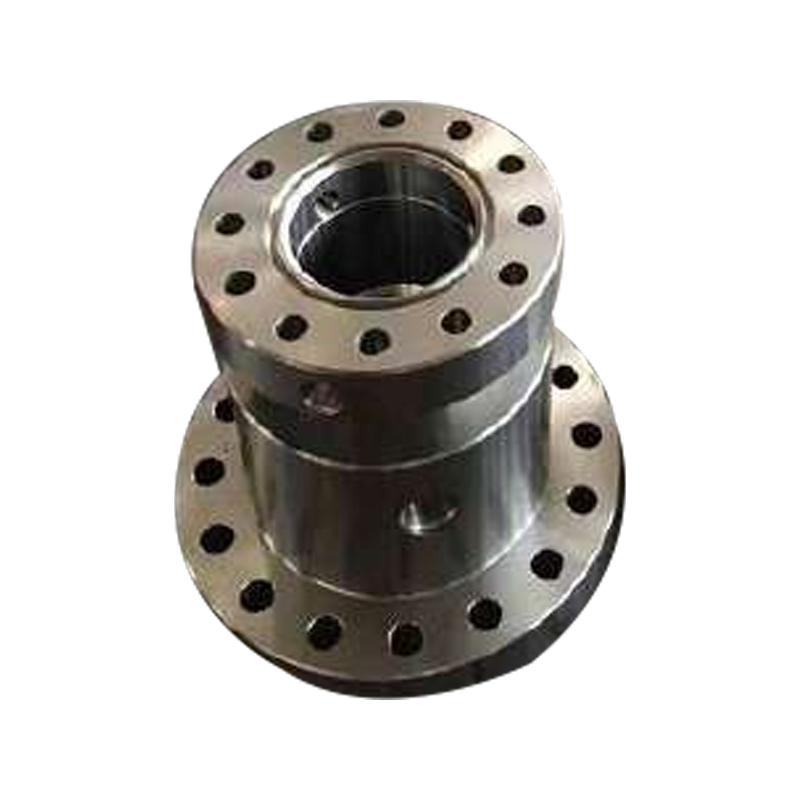
The valve body houses all internal components and connects directly to the pipeline. Body construction affects pressure rating, installation method, and maintenance accessibility.
Common Body Configurations
One-piece bodies provide excellent strength and leak resistance but are not serviceable. Two-piece and three-piece bodies allow easier maintenance and component replacement without removing the valve from the pipeline.
Seals, Gaskets, and Packing Components
Secondary sealing components such as O-rings, body gaskets, and stem packing ensure leak-free operation under varying pressures and temperatures. Although small, these parts are critical for long-term reliability.
Key Performance Considerations
- Elastomer compatibility with process media prevents swelling or degradation.
- Proper packing compression balances sealing performance and operating torque.
- Fire-safe designs use graphite or metal seals to maintain integrity during extreme heat.
How Component Quality Impacts Ball Valve Performance
Ball valve reliability is determined by the combined quality of all components rather than a single part. Precision machining, correct material pairing, and robust sealing design reduce leakage risk, lower maintenance costs, and ensure stable operation across demanding industrial applications.
