


 русский
Steel Valve Parts: How They Work and Why They Matter
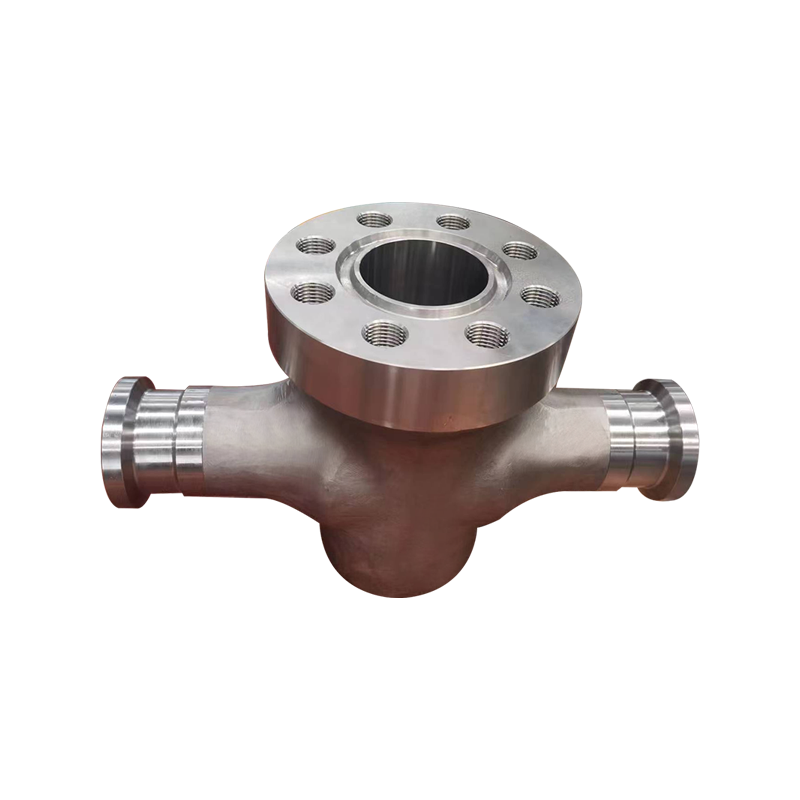
Steel valve parts are integral to controlling fluid flow in pipelines and machinery. Their durability and resistance to pressure make them a preferred choice for critical industrial systems.
Main Components of Steel Valve Parts
A steel valve is more than just a shell; it’s made of several key components working together:
Valve Disc or Plug
The disc or plug regulates fluid flow by moving in and out of the valve seat. High-quality steel discs resist corrosion and erosion from abrasive fluids.
Actuator Connection
This part connects manual handles or automated actuators to the valve stem. Proper alignment ensures smooth operation and prevents wear on internal components.
Bonnet
The bonnet is the cover that holds the stem and packing in place. Steel bonnets provide structural integrity and protect internal valve parts from external damage.
Choosing the Right Steel Material
Different applications require different steel grades:
| Steel Type | Best For | Properties |
| Carbon Steel | Standard pipelines | Strong and cost-effective |
| Stainless Steel | Corrosive environments | Corrosion-resistant, long-lasting |
| Alloy Steel | High-temperature systems | High strength and heat resistance |
Applications of Steel Valve Parts
Industries rely on steel valve parts for their reliability and performance:
- Petroleum and natural gas pipelines
- Power plants and steam systems
- Chemical and pharmaceutical processing
- Water and wastewater management
Tips for Extending Valve Life
To keep steel valve parts functioning effectively:
- Schedule regular inspections and cleanings
- Lubricate moving components to reduce friction
- Monitor for leaks or unusual pressure drops
- Replace worn gaskets and seals promptly
Final Thoughts
Steel valve parts combine strength, precision, and reliability. Selecting the right components and maintaining them properly ensures safety and efficiency across various industrial applications.
