


 русский
Understanding Steel Valve Parts: Key Components and Applications
Steel valve parts are essential elements in various industrial systems, ensuring smooth flow control and safety. Whether it’s in oil and gas pipelines, water treatment, or chemical processing, these components play a critical role in performance and durability.
Types of Steel Valve Parts
Steel valves are made up of multiple parts, each designed to fulfill specific functions. Here are the main types:
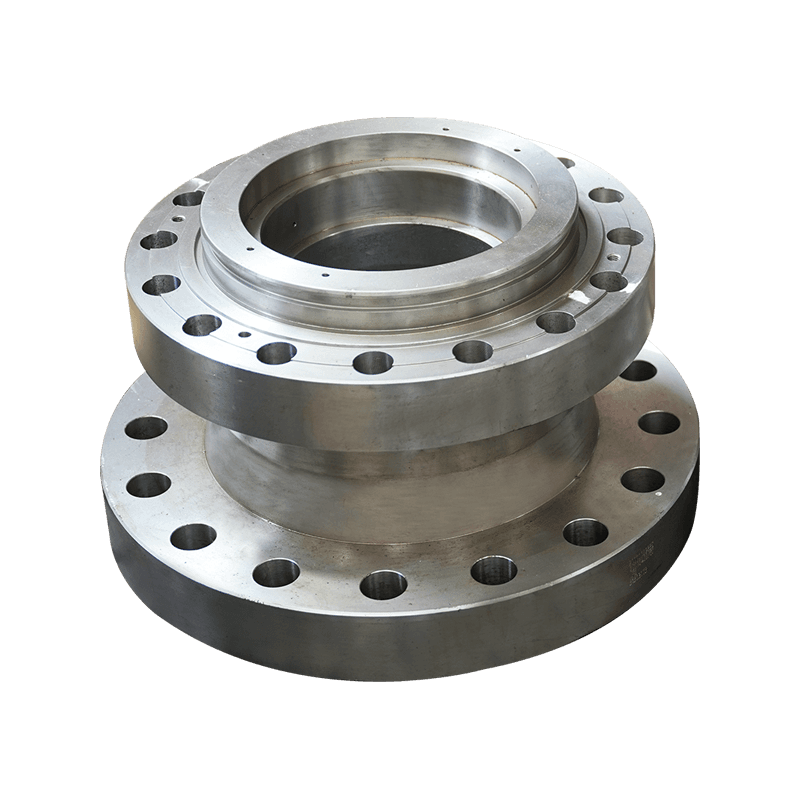
Valve Body
The valve body is the primary shell that houses all internal components. Made from high-strength steel, it withstands high pressure and corrosion, making it suitable for extreme environments.
Valve Stem
The valve stem connects the actuator or handle to the internal disc or plug, enabling opening and closing. Stainless steel stems resist wear and provide smooth operation over time.
Valve Seat
Seats are precision surfaces inside the valve body where the disc or plug seals. Steel valve seats provide tight sealing, high durability, and resistance to extreme temperatures.
Seals and Gaskets
These components prevent leakage between the valve body and moving parts. Steel valve parts often combine metal gaskets with elastomeric seals to maintain high-pressure resistance.
Materials and Grades of Steel Used
Steel valve parts can be made from various grades of steel depending on the application:
- Carbon Steel – commonly used for standard water, oil, and gas applications.
- Stainless Steel – ideal for corrosive environments and chemical processing.
- Alloy Steel – used in high-temperature or high-pressure systems.
Common Applications
Steel valve parts are widely used in industries that require reliable flow control and resistance to harsh conditions:
- Oil and gas pipelines
- Chemical and petrochemical plants
- Power generation systems
- Water treatment and distribution
Maintenance Tips for Steel Valve Parts
Proper maintenance ensures steel valves last longer and perform optimally:
- Regular inspection for wear, corrosion, and leaks
- Lubrication of stems and moving parts
- Replacement of gaskets and seals as needed
- Periodic pressure testing to verify integrity
Conclusion
Steel valve parts are the backbone of many industrial systems, offering strength, durability, and reliability. Understanding the types, materials, and maintenance practices can help industries achieve long-term efficiency and safety.
