


 русский
The Superiority of Forging in Valve Manufacturing
Forged valve components are created through a mechanical process where metal is shaped using localized compressive forces. Unlike casting, which involves pouring molten metal into a mold, forging refines the grain structure of the metal, aligning it to the shape of the part. This results in a component with significantly higher impact strength, better ductility, and superior resistance to fatigue. In critical flow control applications, such as high-pressure steam lines or chemical processing, the structural integrity provided by forging is essential for preventing catastrophic failures and ensuring long-term operational safety.
Critical Components Produced via Forging
A valve assembly consists of several high-stress parts that benefit from the forging process. Each component must withstand specific mechanical loads and environmental factors.
Valve Bodies and Bonnets
The body is the primary pressure boundary of the valve. Forged bodies are preferred for high-pressure classes (such as ANSI 1500 and 2500) because they are free from the porosity and shrinkage defects often found in cast equivalents. The bonnet, which connects to the body to house the internal parts, also requires the density of forged steel to maintain a leak-proof seal under thermal cycling.
Stems and Trunnions
The valve stem transmits the motion from the actuator to the disc or ball. Because stems are subject to high torsional and tensile stress, forged stainless steel or exotic alloys are used to prevent shearing. Similarly, trunnions in ball valves support the ball and must endure massive side-loading forces without deforming.
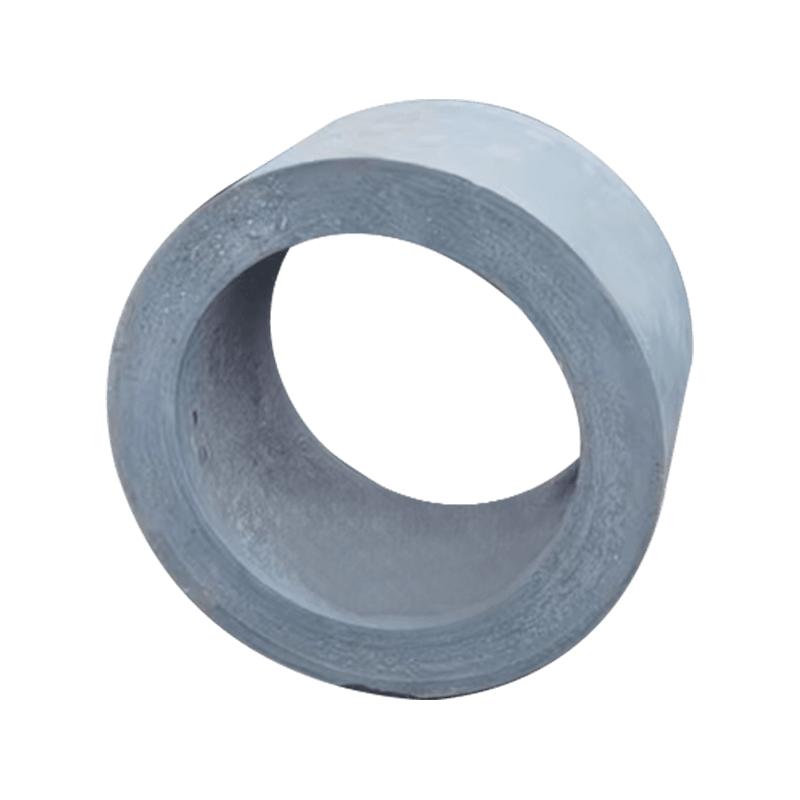
Material Selection for Forged Valve Parts
The choice of material for forged components depends heavily on the media being transported and the operating temperature. Choosing the right alloy ensures the valve remains corrosion-resistant and maintains its mechanical properties over time.
| Material Category | Common Grades | Primary Application |
| Carbon Steel | A105, A350 LF2 | General oil and gas service |
| Stainless Steel | F316L, F304L | Corrosive chemical environments |
| Alloy Steel | F11, F22, F91 | High-temperature power plants |
| Duplex/Super Duplex | F51, F53, F55 | Offshore and seawater applications |
Key Advantages of Using Forged Components
When compared to other manufacturing methods, forging offers a set of unique benefits that directly translate to lower maintenance costs and longer service life for industrial valve systems:
- Structural Integrity: The elimination of internal voids and gas pockets ensures the component can handle sudden pressure surges without cracking.
- Reduced Material Waste: Precision forging can produce "near-net" shapes, which minimizes the amount of machining required and reduces the cost of expensive raw materials.
- Enhanced Heat Treatment Response: Forged metals respond more predictably to heat treatment, allowing for precise control over hardness and tensile strength across the entire part.
- Reliability in Extreme Temperatures: Forged components maintain their toughness in cryogenic services and their creep resistance in ultra-high temperature applications.
Manufacturing Standards and Quality Assurance
To ensure the safety of forged valve components, manufacturers must adhere to strict international standards. These regulations dictate the chemical composition, mechanical properties, and testing protocols for every batch produced. Common standards include ASTM A105 for carbon steel forgings and ASME B16.34 for pressure-temperature ratings. Quality control typically involves Non-Destructive Testing (NDT) such as Ultrasonic Testing (UT) to check for internal flaws and Magnetic Particle Inspection (MPI) to detect surface cracks. By following these rigorous steps, suppliers can guarantee that each forged component meets the high-stakes demands of modern heavy industry.
