


 русский
Core Structural Components of Steel Valves
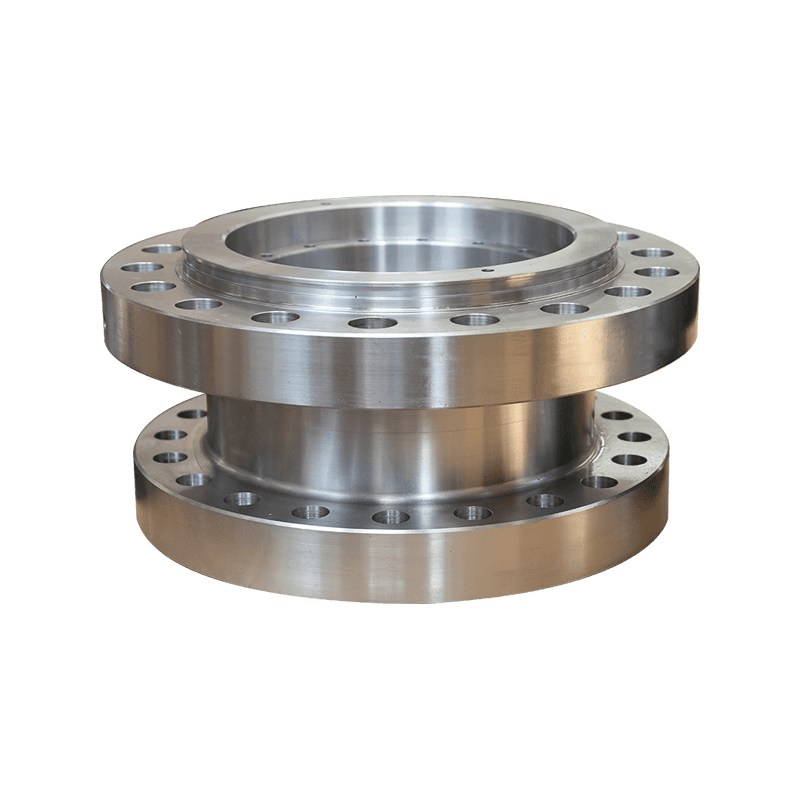
The integrity of a steel valve relies on the synergy between its primary structural parts. The body serves as the main pressure boundary, housing the internal elements and providing the connection points for piping systems. Typically cast or forged from carbon steel, stainless steel, or alloy steel, the body must withstand significant hoop stress and thermal expansion. The bonnet acts as the cover for the opening in the body and is often the second most important pressure-retaining part. It is typically bolted or threaded to the body, allowing for maintenance access to the internal trim without removing the entire valve from the pipeline.
Inside these housings, the "trim" refers to the replaceable parts that come into direct contact with the flow medium. This includes the stem, the disc (or gate/plug), and the seat rings. The stem is the linkage that transmits motion from the actuator to the disc. In steel valves, stems are often made from 410 stainless steel or 17-4 PH to ensure high tensile strength and resistance to galling under high-pressure cycles.
Critical Comparison of Steel Valve Materials
Selecting the right grade of steel for valve parts is a balance between corrosion resistance, temperature limits, and cost. While carbon steel is the industry standard for non-corrosive fluids, stainless and alloy steels are essential for specialized industrial processes. The table below outlines the most common materials used for steel valve components:
| Material Grade | Typical Application | Key Benefit |
| ASTM A216 WCB | General Industrial / Oil & Gas | Cost-effective, versatile |
| ASTM A351 CF8M | Chemical / Marine | High corrosion resistance (316 SS) |
| ASTM A105 | High-Pressure Forged Parts | Excellent grain structure/strength |
| Alloy 20 / Monel | Acidic / Severe Service | Exceptional chemical stability |
Sealing Mechanisms and Gland Packing
The Role of the Stuffing Box
Preventing external leakage is the primary role of the packing system located within the bonnet's stuffing box. For steel valves operating at high temperatures, flexible graphite is the preferred packing material due to its self-lubricating properties and thermal stability. In lower temperature or highly corrosive chemical applications, PTFE (Teflon) is used for its near-universal chemical inertness. The gland follower applies axial pressure to the packing rings, forcing them to expand radially against the stem and the stuffing box wall to create a tight seal.
Seat and Disc Interface
The internal seal, or "shut-off," occurs at the interface between the disc and the seat. Steel valves often utilize "hardfacing" on these surfaces. This involves welding a layer of wear-resistant alloy, such as Stellite, onto the base steel. This process is critical for preventing erosion and wire-drawing, especially in steam service where high-velocity particles can quickly degrade softer metals.
Maintenance and Replacement of Internal Parts
To ensure the longevity of steel valves, a proactive maintenance schedule focusing on individual components is necessary. Wear and tear are rarely uniform; therefore, understanding which parts are most susceptible to failure can prevent costly system shutdowns. Consider the following maintenance priorities:
- Inspect the stem for vertical scratches or "scoring" which can destroy new packing rapidly.
- Check seat rings for pitting or uneven wear patterns that indicate misalignment.
- Verify the integrity of the bonnet gasket, especially after thermal cycling events.
- Lubricate the yoke nut (stem nut) to ensure smooth operation of the handwheel or actuator.
When replacing steel valve parts, it is vital to match the original Material Test Reports (MTR). Substituting a lower grade of steel for a stem or bolt can lead to catastrophic mechanical failure under pressure, emphasizing the need for precise sourcing of OEM or equivalent specification components.
